
Article IFPA Forum
IFPA Africa Action PlaybookIFPA Forum Africa 2026:
13 May 2026
By IFPA
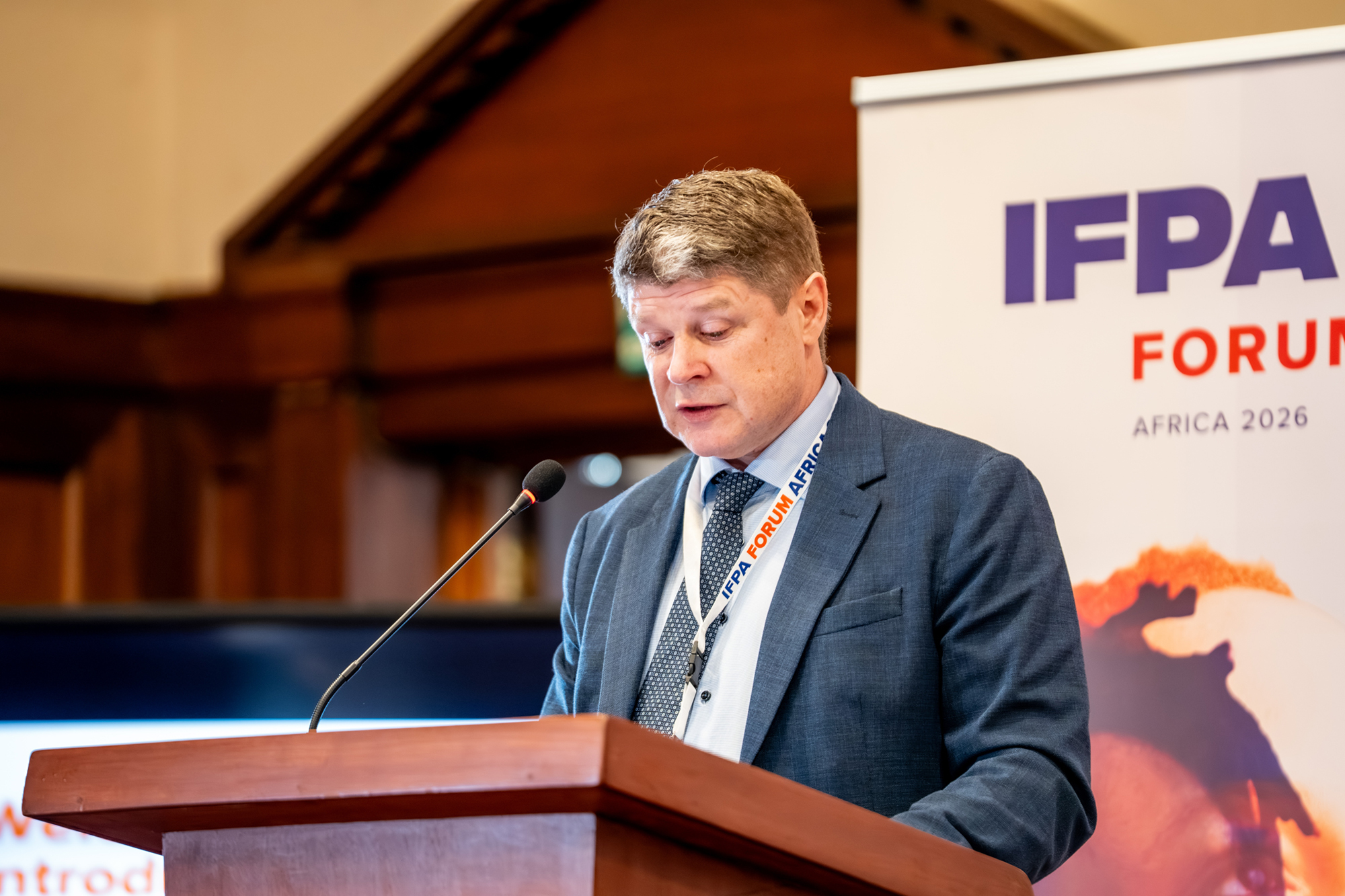
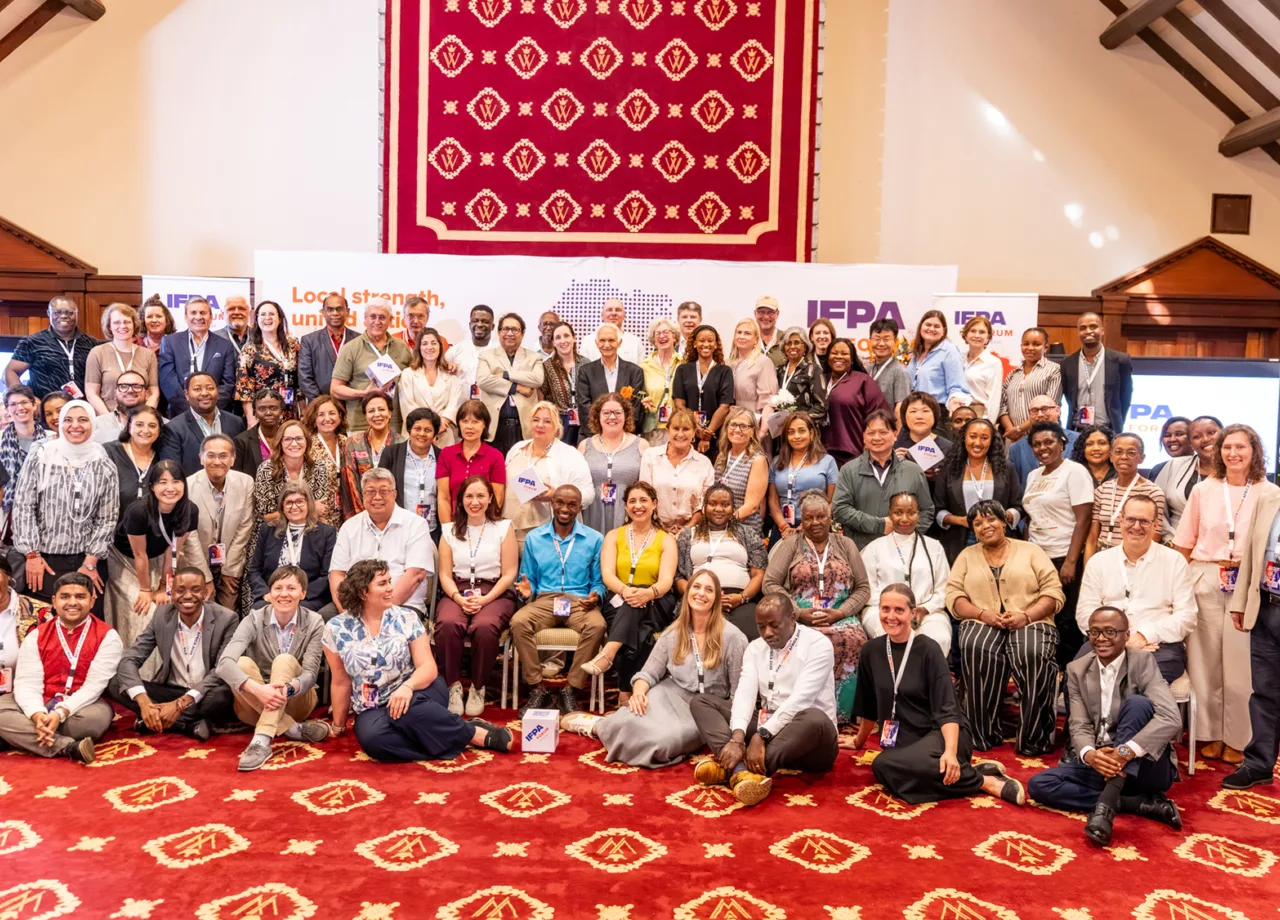
Under the theme “Local Strength, United Action: Advancing Representation, Rights and Research,” the Forum was three-day summit with plenary sessions, regional meetings and workshops focused on practical advocacy, addressing gaps in healthcare systems, youth engagement and patient inclusion.
The discussions repeatedly returned to the scale of healthcare inequalities that people across the African continent face. In many African countries, there is fewer than one dermatologist for more than one million people. Burundi, for example, has only six dermatologists and one rheumatologist serving a population of over 14 million people, and in Rwanda there are only 13 dermatologists and only one rheumatologist per 14 million people – while several countries still have no access to biologic treatments. Patients described traveling across borders to access specialists, losing employment because of stigma and discrimination, and facing treatment costs equivalent to an annual salary.
Opening the Forum, IFPA President Ingvar Ágúst Ingvarsson stressed that the event was designed to move psoriasis from the margins of healthcare discussions into policy conversations.
“People with psoriatic disease must be present when decisions are made about them, - Mr. Ingvarsson underscored. - “In some African countries, treating severe psoriatic disease can consume person's annual salary. These are not statistics. These are lives.”
He highlighted that many African populations remain significantly underrepresented in psoriasis research and clinical trials.
“We cannot treat people with evidence that was not built for them,” added Mr. Ingvarsson. “We need African-led research. We need African data. We need African scientists, clinicians, and patient advocates at the table where knowledge is created.”
The importance of African-led research and local data became one of the strongest recurring themes throughout the Forum.
Pierre Celestin Habiyaremye, President of PsorAfrica, stressed out the importance of recognizing psoriasis as a serious systemic disease and highlighted gaps in care access.
“I always believe that an African person has the right to access affordable and good quality care services, Habiyaremye said. “Sometimes I feel disturbed when I hear that access is defined by where someone is coming from or by their financial capacity.”
Kenya’s Deputy Permanent Representative to the United Nations in Geneva, Ambassador James Waweru, noted the following during the opening ceremony:
“Today is a significant milestone as we convene from the first Aboriginal summit dedicated exclusively to psoriasis in Africa. Psoriasis is one of the continent's most under-recognized, under-diagnosed and under-treated chronic diseases, yet it affects millions of people and overlooked in public health discussions. By shining a light on this issue, we are taking a bold step in the right direction. We are not just raising awareness, we are igniting movement towards understanding, acceptance and support for those who live with this condition.”
The opening session also paid tribute to Dr. Hoseah Waweru, founder of the Psoriasis Association of Kenya and one of the early pioneers of psoriasis advocacy in the region. Mr. James Waweru, the son of Dr. Waweru, reflected in his opening remarks on his father’s legacy and its importance for the psoriatic community:
“He understood that psoriasis was not an individual affliction. It was a condition that affects entire families, touching lives in many ways that you cannot imagine. He believed no one should suffer in silence, and he worked tirelessly providing resources and education to ensure that these voices were heard. - Mr. Waweru said.
One of the Forum’s central discussions focused on access to medicines and the structural barriers preventing people from receiving diagnosis and treatment. Participants stressed that improving access would require more than awareness campaigns alone. Discussions repeatedly centered on how psoriasis can be integrated into government priorities and national healthcare systems.
Prof. Mahira El Sayed of Ain Shams University in Egypt described the challenge of securing political attention for psoriasis despite its major impact on patients’ quality of life.
“When I went to lobby for psoriasis, they would say, what about cancer? What about liver disease?” she said. “But psoriasis is a disease that affects patients’ lives more than maybe many other diseases.”
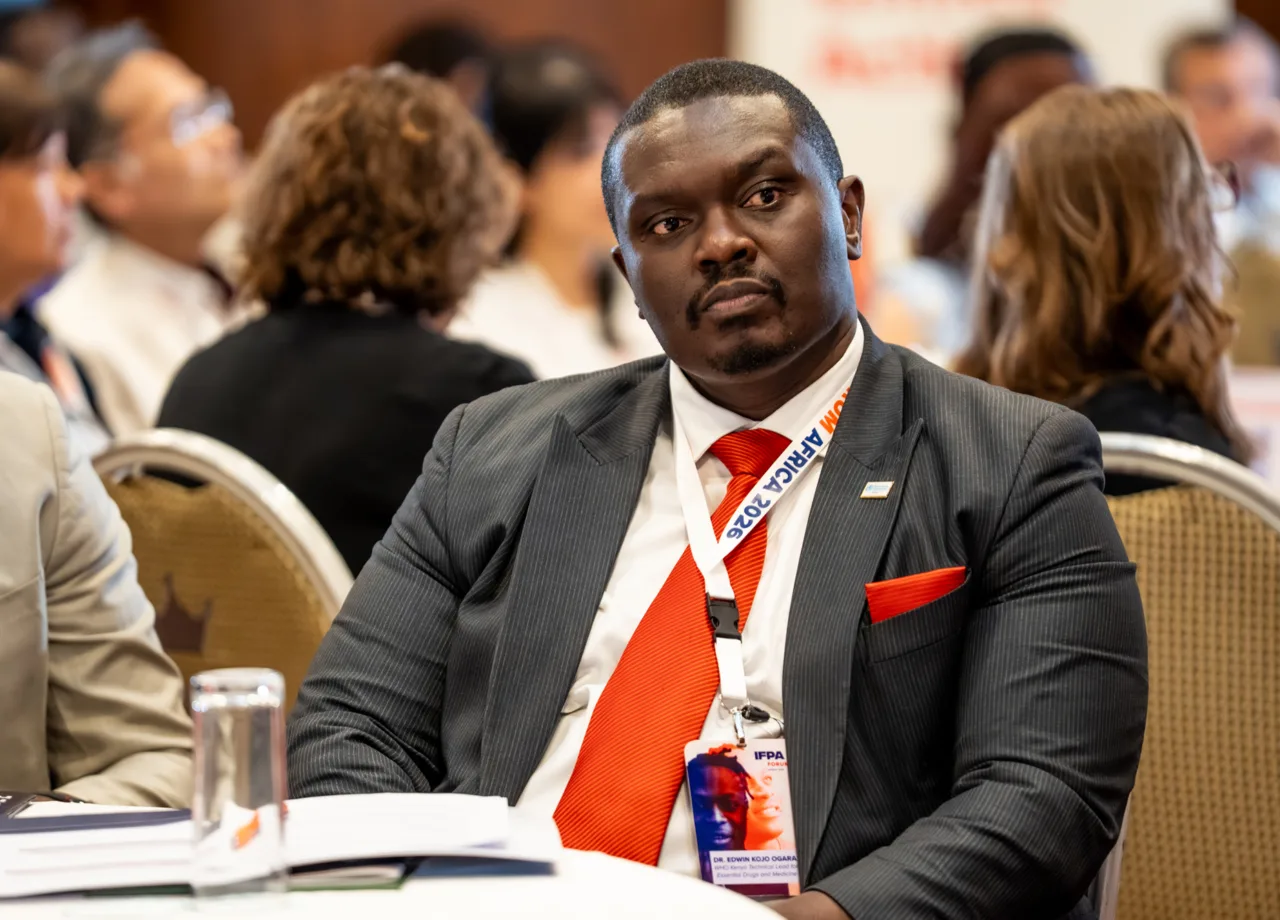
Dr. Edwin Kojo Ogara from the WHO Kenya Country Office reminded that bringing psoriasis into government policy discussions is essential.
“Let’s start with government. And what does the government need to hear? Let’s have the statistics to back it up, - he suggested. - The successes within country can be spread to the other 55 states. And if we have the success within the continent, then we can share experiences across the whole world.”
Ogara also pointed to lessons that psoriasis advocacy can draw from global responses to diseases such as HIV, malaria and COVID-19.
“When you get the evidence, you channel it, you get the advocacy, it is backed up, it is supported, then you get the support you need from an informed standpoint,” he said.
Patient inclusion emerged as one of the defining themes of the Forum. Across plenary sessions and workshops, speakers repeatedly stressed that people living with psoriasis must be recognized as experts in the disease and included in policymaking, research and healthcare design processes. Forum discussions highlighted that patients are often excluded from decisions affecting their care, despite carrying the lived experience that healthcare systems frequently lack.
Janet Mbugua, a public figure and a media professional, who moderated key sessions during the Forum, summarized the message repeatedly voiced throughout the event:
“Representation means nothing about us without us,” she said. “People with psoriatic disease must be present in rooms where decisions about them are being made.”
This principle shaped many of the Forum’s discussions, particularly around healthcare policy, research priorities and advocacy strategies. Participants also highlighted the psychological burden of psoriasis and the effects of stigma and discrimination in workplaces, schools and communities.
Tina Ochsner from the Psoriasis Association of Kenya spoke about growing up with visible psoriasis in a tightly connected social environment.
“One thing about psoriasis is that the journey never ends,” Ochsner said. “When you have such a visible condition, it’s not just your condition, it’s everyone’s condition.”
Speakers emphasized that patient organizations across Africa are increasingly becoming key actors in healthcare advocacy and policy engagement, despite operating with limited resources. Several discussions also focused on how patient-led advocacy can help close gaps between governments, healthcare systems and affected communities.
Another major focus of the Forum was the inclusion of young people in health advocacy and decision-making. During the plenary session “Young Voices, Stronger Psoriatic Disease Systems,” speakers challenged organizations to move beyond symbolic youth participation and instead involve young advocates directly in leadership and policy processes. It was also highlighted that engaging young people is essential for the survival of the global health advocacy movement.
“Young people want to be part of the solution,” said Guuled Mohamed of UNICEF Sweden. “Experts on young people are young people themselves.”
The session explored barriers preventing meaningful youth participation and highlighted the importance of using platforms and communication strategies that resonate with younger generations. Personal testimonies from young IFPA ambassadors addressed challenges including stigma at school, mental health struggles, treatment decisions being made by adults, and navigating fragmented healthcare systems from childhood.
A dedicated workshop also focused on reaching patients in rural areas, where access to specialists and healthcare infrastructure remains drastically limited. Participants discussed the severe shortage of dermatologists across the continent and the need for stronger community outreach, earlier diagnosis and rural integration into healthcare systems.
Dr. Doriane Sabushimike from Burundi highlighted that healthcare systems often fail to reach the people with the greatest unmet needs.
“We tend to see the people who can afford to be treated, not those with the greatest need,” she said. “By doing community outreach, we can meet the patients where they are.”
From discussion to implementation: next steps after the Forum
The final day of the Forum focused on regional collaboration and practical next steps.
IFPA member organizations from Africa, Europe, the Americas and Asia-Pacific held regional meetings to exchange strategies, discuss successful advocacy models and strengthen international collaboration.
The African regional meeting gathered participants from PsorAfrica, including representatives from Rwanda, Kenya, South Africa, Ghana, and Gambia, as well as participants from Zambia, Zimbabwe, Mozambique, and Uganda. The meeting focused on inspiring examples of success from South Africa, Ghana, Gambia, and beyond
The International Psoriasis Council (IPC), one of IFPA’s close partners, also organized a workshop titled “From Clinic to Community,” focused on strengthening African-led psoriasis research and improving collaboration between clinicians and patient organizations. One of the workshop’s key examples was the Nigerian Psoriasis Registry led by Prof. Olusola Ayanlowo — an initiative aimed at building one of the continent’s largest psoriasis patient databases and generating the local evidence needed to influence policy and healthcare planning.
Closing the Forum, Ingvarsson said the next phase must focus on translating discussions into measurable action.
“What we have built here is not a program of sessions, but a network of people ready to carry this work forward,” he said. “Let this forum not be an endpoint, but a milestone.”
Forum organizers emphasized that the Nairobi meeting was intended not as a standalone event, but as the beginning of a longer process of implementation and collaboration. Based on the discussions and recommendations raised throughout the Forum, IFPA will now work on developing a roadmap and practical playbook to support member organizations. Implementation, participants stressed, will depend on continued collaboration between patient organizations, clinicians, governments and international partners.
Article IFPA Forum
IFPA Africa Action Playbook
Article IFPA Forum
IFPA Forum Roadmap: Africa
Article News
Being Young with Psoriasis: The Invisible Struggle
Article Advocacy, News
“Health right is a human right”
Article Advocacy, News
“We want to raise awareness and break stigma around psoriasis in Paraguay”
Article Advocacy, News
Patient organizations are crucial to achieving equitable healthcare globally
