
Article Living with Psoriatic Disease, News
Fashion becomes a platform for psoriasis awareness in Mahikeng, South Africa30 September 2026
By IFPA
When Ashley Mash was diagnosed with psoriasis, he thought it would be the end of his career in fashion and of the life he knew. Over time, he managed to find a source of strength in his psoriasis. Today, he is leading a fashion movement in Africa and using his platform to raise awareness of psoriasis and drive advocacy efforts around it. We spoke with Ashley about his journey with psoriasis, the fears and rejection he faced along the way, and how he found the confidence to move forward and bring others with him.

I’ve been doing different shows in local government in South Africa for the past 10 years. My interest in fashion and modelling started when I was still in school. It was my passion – playing with the camera, looking at magazines and at the models. So, I decided to join modelling myself. I became a model and started doing runway locally. This was before I got psoriasis. As time went on, I started thinking more about the business side of it. And then I started my own model agency. From there, I started getting opportunities like commercials and even TV. But around that time, I got psoriasis. In the beginning, I didn’t even know what it was.
I was about 25 when it began. It happened in a weird way. I went to a party, I fell and got a sore on my knee. At first, I thought it was just a sore. It started healing, but it became a patch. I didn’t take it seriously at first. Then it started growing and spreading over my legs and body.
I was like: “Oh, my modelling career is over.” I thought I couldn’t continue with my business. I didn’t really know what was happening, and I was trying to get help from different doctors, general practitioners. I started using herbs and all those things. I didn’t go to a dermatologist because I didn’t have the money at the time, so my knowledge was based on search on the internet.
At that point, I didn’t even know the word psoriasis. When you don’t know what’s going on with you, you’re searching for allergies, fungal infections, whatever it might be. You don’t know what to look for.
That’s why information is so important. When we have direct information about psoriasis, we can tell people: “That’s psoriasis.” Then somebody can recognize: “Oh, this is what I have,” and get help.
Eventually, I met a dermatologist. They did the blood tests and other checkups, and this is how I got diagnosed with psoriasis and I started medication. It has been about five years now.
It’s better now, to be honest. At first, I didn’t know what to do. Now I know my body better. I know that during different seasons it can get worse – when it’s extremely cold, for instance, or when I’m too stressed.
And there can be a lot of stress now because I organize big events. I’m involved in events in Thailand, Bali, Brazil, Dubai and other places. My brand has become much more international.
At first, I struggled a lot. People called me names, like “leopard skin.” I stopped going out. I stopped working. I could not even go anywhere because I was ashamed of myself. It was a struggle. But then I started thinking: “No, man. You’ve got strength.”
You can do all these big things. You have a lot of people following you. You’ve got international companies working with you. You’ve got all of this, and you have psoriasis. Let it not affect you. Make it your strength.
At some point, I realized: this thing is not going to heal completely. But because I have psoriasis, let me try to change the world. Let me use what I can do – my craft, my career. That’s why I started Fashion Against Psoriasis.
People who know me from social media, usually say: “Hey, we want to see you doing big things.”
And what’s your biggest flex? Your biggest flex is knowing who you are and what you have and not being afraid to tell people. It makes people ask themselves: “How is he doing this? Where does he get his confidence?”
I wanted to be a good example.
The gym has also helped me a lot. People ask me: “Ashley, you have a big body, you have the six-pack. Why don’t you show it on social media?”
And I say: “I’m not training to show you guys how I look. I’m training because it’s healthy.” It takes a lot of things away from my mind. My body can also get stiff, and exercise actually helps me a lot.
Surprisingly, psoriasis turned things around for me. (laughing) I had wondered whether I could still do all these things despite psoriasis. Could I really get into big business? Could I get more recognition?
Then I started thinking about psoriasis awareness. Surprisingly, people don’t know about psoriasis. I asked my doctor: “Is it because we don’t get enough information out there?” And she said: “Ashley, you are the one. You have this company, you have connections in almost 48 countries in Africa. You have this database of people. You’re supposed to use that. Let people know what psoriasis is.”
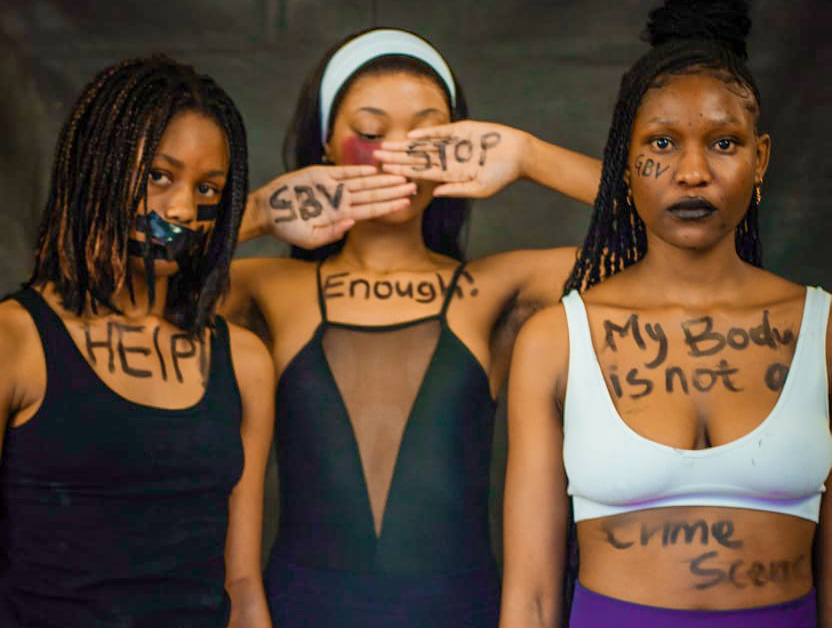
I had already used fashion to talk about other issues, like gender-based violence and child poverty. During the lockdown, for example, we did Fashion Against Child Poverty. So I thought: why not psoriasis?
On June 26, during our Mafikeng fashion show, I launched Fashion Against Psoriasis. It was the first time I publicly spoke about my own experience.
Before that, I did some research. I was asking myself: are there any fashion shows specifically designed around psoriasis? And I realized that I needed to use what I already had. I have psoriasis, I work in fashion, I have models, designers and a platform. Now I also have models with psoriasis.
At that first event, we brought in speakers, and people said: “Wow, you really gave us something to learn today. We came to a fashion show and found ourselves in a workshop, in a summit.” Someone came to me after the show and said: “I have this thing on my scalp. I didn’t know it could be psoriasis.” Now that person knows they need to seek medical advice. That showed me what even a small event can do.
For me, Fashion Against Psoriasis is also about bringing people together. When we are together, we can motivate one another. That’s also why I want to learn more from organizations like yours. I want to do more in Africa. I’m working on something across the African continent, and I want to understand we can spread information across the continent.
Working with Psoriasis Association of South Africa was very helpful. I met Veronica, and she changed everything. She said: “We can collaborate. We are an association and you’re an organization. With what you do, we can be one.”
They assisted me in getting more information about psoriasis and connected me with Dr. Claudia – meeting her was a blessing! She came to our show and gave a presentation about psoriasis for around 30 minutes. She spoke about things many of us simply didn’t know. They also send me information that I can share with my people.
That is critical because Fashion Against Psoriasis is completely new. I have the fashion-industry side, but people come to me and ask: “What is psoriasis?” Then I can give them reliable information from the association. That collaboration can help us spread the information much further. Now I want to take this to a much bigger scale.
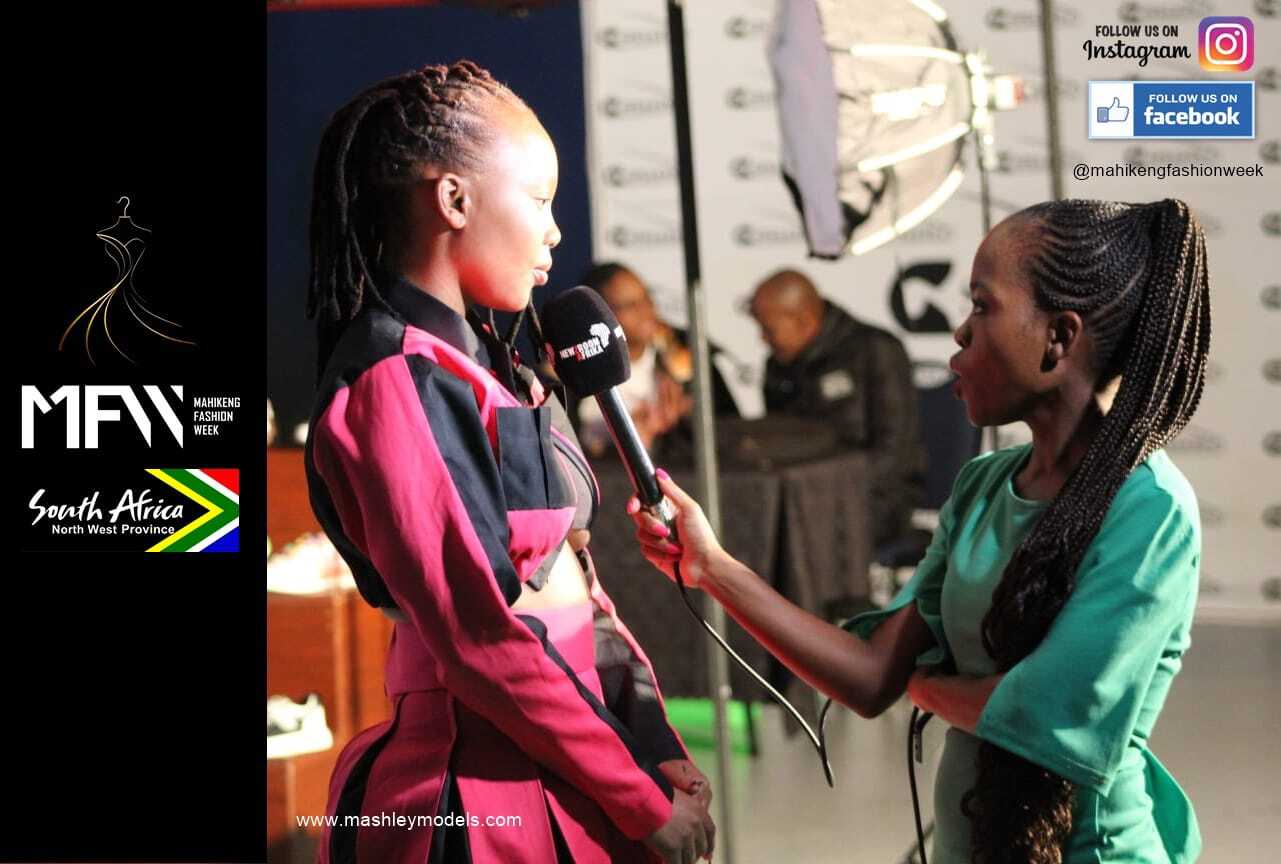
We are planning an intercontinental event in May in 2027. I’ve been working with organizations from Asia and Europe, and I’ve travelled to different events to see how they do things. Now people I have supported in places like France, Italy, the US, Malaysia, Cambodia and Japan are coming to support us.
It’s not only going to be a fashion event. It’s much bigger than that. It’s fashion, tourism, culture and health.
For the health component, I decided to dedicate it to psoriasis. May is also Africa Month, so we want the whole world to celebrate Africa together. The idea is that people coming from fashion, tourism and culture will also learn about psoriasis. Because we can talk and talk and talk, but the question is: how do we reach other segments and other industries? By bringing them together.
It will be almost like a camp. We’ll all be together, with workshops, discussions and a Fashion Against Psoriasis show. It will be more like a convention. For me, collaboration is largely about information and helping us make psoriasis much more visible through fashion.
People with psoriasis are already reaching out to me because they want to be models. They say: “We didn’t know you do this. We thought fashion was only for people with clean skin.” Now they see an opportunity. They can have more confidence. I believe this can change a lot of people’s lives in terms of confidence and how we see ourselves as people with psoriasis. And from here, where are we going next? Russia? China? Brazil? I want to take it around the world.
For me, the number one priority is people affected by psoriasis, especially young people. I’m a representative here. I’m an example, so I need to lead. I know what it is like to close yourself away and feel like you don’t deserve to be anywhere in the world or to do anything. And I can give other people hope by saying: “You can be an actor. You can be a model. You can be a fashion designer. You can be a journalist. You can be anything or anyone you want. Psoriasis doesn’t have to stop you.”
The bigger message is also about unity, diversity and accepting one another, regardless of where you come from. That’s the whole theme of the event.
Bringing the fashion show to my hometown Mafikeng felt important to me. It was where it all started for me, even though I never got the support here from anyone. I felt I needed to do this for the young dreamers here who need me. So I needed to bring change, development and opportunities for the community in our town. Mafikeng is not as big as other cities like Johannesburg, Pretoria and Cape Town. So it was more of giving back to the community.
Speaking publicly about my psoriasis for the first time at the Mafikeng fashion show was a big moment for me. To be honest, that was my first time. People were looking at me and listening, and some of them were shocked. Some shed tears because I told them everything – how I felt every day of my life, waking up and going to sleep, how psoriasis affected me, how it changed my life, how I struggled and how I stood up again. I wanted to show them the strength of falling and standing up.
I said: “When you fall, you cannot just sit there and give up. There’s a reason for you to be in this world. There are people who are in hospitals and they cannot walk. And you, even if you have psoriasis, you can still walk, you can go anywhere, you can do anything you want.”
People sent me messages afterwards saying: “Bro, you’re our inspiration. We’re looking up to you. You’re really strong because of what you said and where you are now.”
I didn’t know I would have that effect on people. I just thought: let me take it out. Then people from the show came to me and said: “I also have psoriasis. Where can I go?”
This is especially important for young people. When you’re young, psoriasis can affect you in so many ways. You don’t necessarily have the strength or the support you need. You want to go out and have fun. You want to party. You want to be seen. You want to show yourself to the world.
That’s why we need organizations and civil society to help young people develop the strength that some of us didn’t have.
I had opportunities to become an actor. I was invited to TV castings. I even appeared in a soap opera on national TV. But because of how I was feeling, I didn’t have the confidence. I thought: “I’m going to get a lot of questions.”
Having to explain yourself all the time is not only tiring; it can bring you down. You start asking yourself: “Will I ever be okay? Will I ever heal from this? Will I ever stop getting all these questions?”
I couldn’t even go swimming. I couldn’t play soccer. I couldn’t do those things because of how I felt. It wasn’t necessarily that the world rejected me. I think mostly I rejected myself and did not get myself a chance because how I felt.
But there were also times when I experienced real rejection. A big brand once approached me because I had a following on social media and agencies and other things they were interested in. They wanted to use me for a campaign.
We got to the shoot, and at one point I had to take my shirt off. When I took it off, they were like: “Whoa.” They didn’t say anything, but I could see the rejection in their eyes.
The part of the shoot where I was wearing clothes appeared, but I never got a callback again. They cut ties with me. I was hurt. I don’t want to lie. I was hurt. But I found the strength to stand up and fight. And that’s what we need to encourage in psoriasis warriors – that fighting spirit.
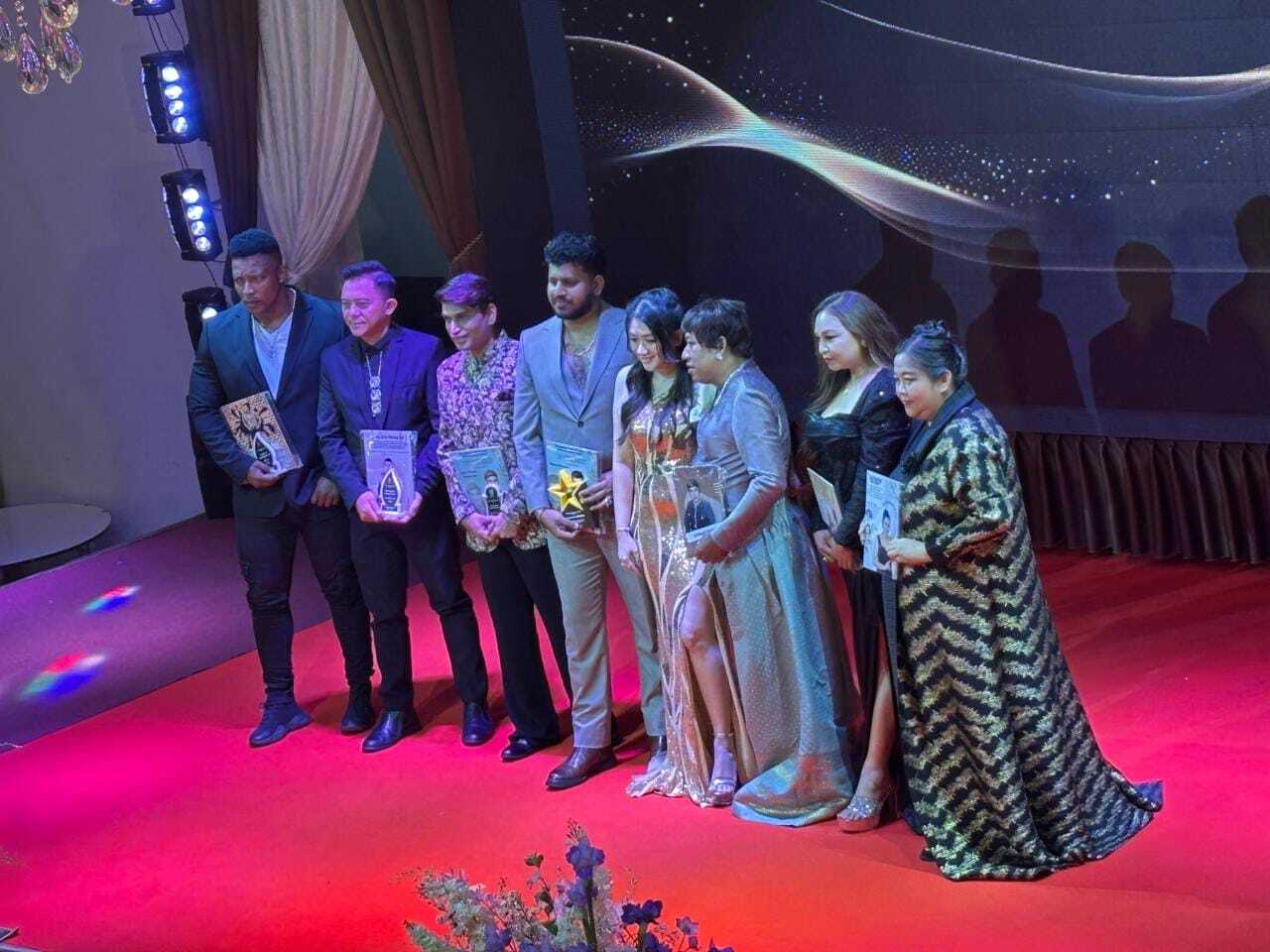
We also need information. I’m always stressing this thing about information because when you don’t have information, everything becomes more stressful. When people ask you questions and you don’t even know what is happening to your own body, you feel weak.
At one point, even my own family didn’t understand what was happening. Some of my relatives wondered whether I had HIV. Imagine that. I was hurt. I thought: “How can they see me that way?” But that showed me how people can react when they don’t understand what they are seeing.
In my community, I felt like I was the first person with psoriasis because everywhere I went, people didn’t know what psoriasis was. Maybe there were other people living with it, but they weren’t able to come forward.
I thought: “I have my own power. I’ve got my own platform, capacity and strength. I have models. I have designers. I have brands. Every time I do events, TV comes to me. Media comes to me. I get international invitations. Why am I not using this?” So I decided to use it to try to change things.
I’ve already seen it happening with some of my models who have psoriasis. They told me they were afraid before. Now look at them, when they are walking on the stage! That’s a wow. That is what I want people to see. Fashion is going to be more beautiful with diversity.
And that’s why I want to take this around the world. Immediately after this event in 2027, I want us to be asking: “Where are we going in 2028?” Let’s plan the tour.
Article Living with Psoriatic Disease, News
Fashion becomes a platform for psoriasis awareness in Mahikeng, South Africa
Article Living with Psoriatic Disease, News
Why psoriatic disease belongs to the global climate agenda
Article News
Being Young with Psoriasis: The Invisible Struggle
Article News, IFPA Forum
Historic Summit Places Psoriasis on Africa’s Public Health Agenda
Article Advocacy, News
“Health right is a human right”
Article Advocacy, News
“We want to raise awareness and break stigma around psoriasis in Paraguay”
